
Structured Cabling & Fiber Cabling that’s proven before it’s trusted.
Every system in your building rides on the physical layer. We install Cat 6A, Cat 8 and fiber to ANSI/TIA standards — then test, label and document every run before we leave the site.
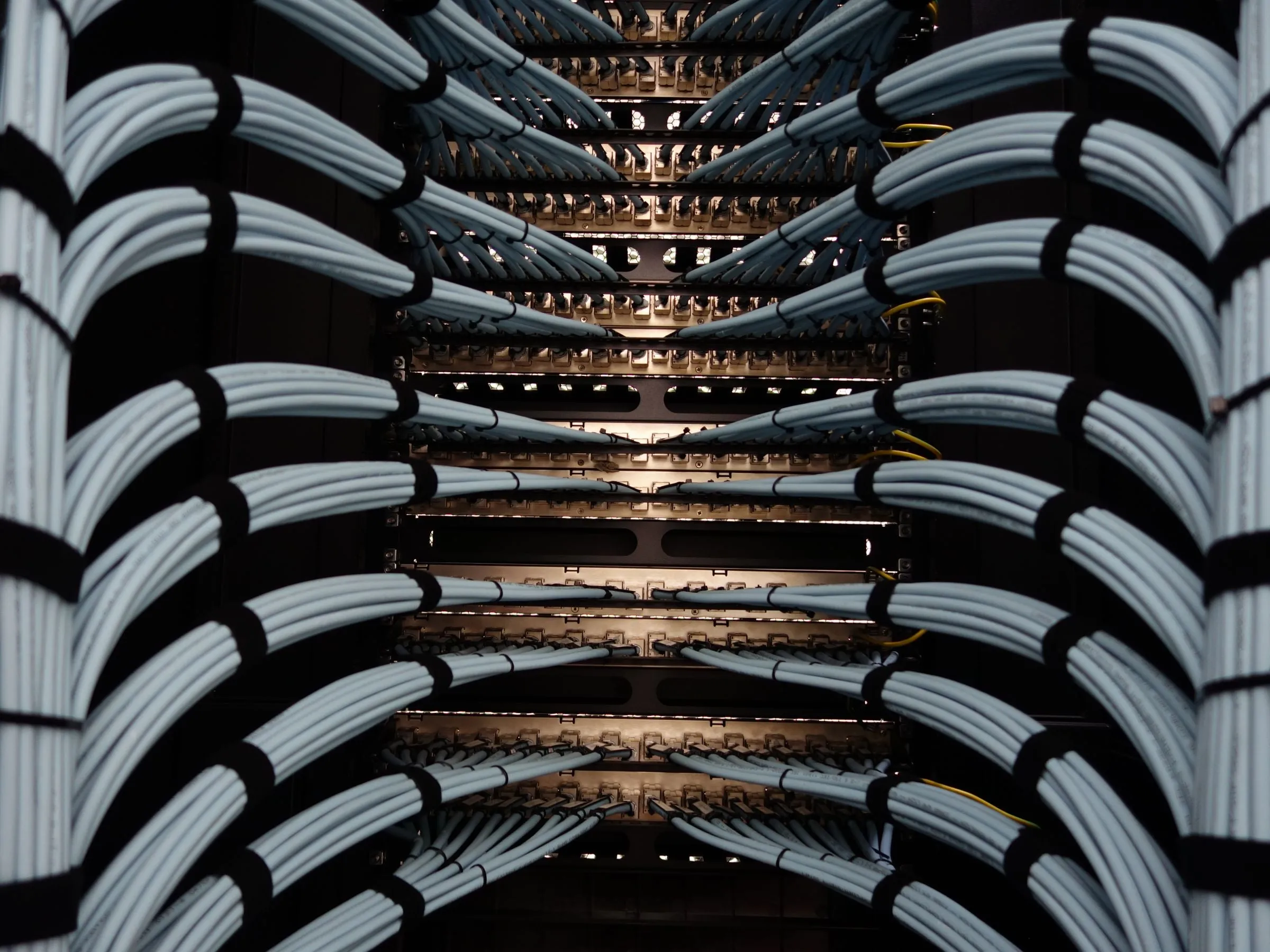 A-01 · Physical layer
 Cable IDF2-A-024 · Cat 6A permanent link
All 8 wires connected correctly.
What’s in scope.
Everything we design, install and support under structured cabling & fiber — scoped to your site after a walk-through, not from a template.
-
Cat 6A horizontal cabling
Cat 6A carries 10GBASE-T across a full 100-meter channel and handles the heat of bundled, high-power PoE runs to access points, cameras and door hardware — the practical default for new drops.
-
Cat 8 for high-speed links
Cat 8 supports 25 and 40 Gb/s over short runs of up to 30 meters — built for switch-to-server connections in server rooms and data centers rather than everyday office drops.
-
Fiber backbone
Single-mode and multimode fiber linking your main equipment room, IDF closets and neighboring buildings — terminated and loss-tested end to end.
-
Testing, labeling & certification
Copper links are certified with a field tester against TIA limits for their category, and cables, panels and ports are labeled to a consistent scheme. You get the reports.
-
Racks, patching & cable management
Patch panels, dressed and labeled patching, and cable management in the closet — so the next move, add or change takes minutes, not an afternoon of tracing.
-
Business & corporate relocation
IT moves, cabling refreshes and go-live support — the new space cabled, tested and ready before your team carries in the first box.
Five steps, every job.
The same process from a single-rack retrofit to a multi-site rollout. Nothing is signed off until it has been tested and documented.
-
Step 01: Assess
We walk the site with you — pathways, closets, power, existing systems — and document what is actually there before anything is priced.
-
Step 02: Design
A clear plan for the infrastructure, scoped to your site — no guesswork, no surprises.
-
Step 03: Install
ANSI/TIA-compliant installs with pre-staged kits, after-hours work and phased cutovers — we work around your operations, not through them.
-
Step 04: Certify
Every run, rack and port is tested and documented before we leave the site. You get the reports.
-
Step 05: Support
Post-install MAC work, warranty response and managed service contracts. We don’t disappear after sign-off.
Hardware from the manufacturers enterprise IT already trusts.


Common questions.
Should we install Cat 6 or Cat 6A?
Cat 6 supports 10 Gb/s only over shorter runs (up to about 55 meters, depending on conditions), while Cat 6A supports it across the full 100-meter channel and copes better with heat in large PoE bundles. For new construction that should last ten years or more, Cat 6A is usually the better long-term value; Cat 6 can still suit short runs and budget-constrained additions to an existing Cat 6 plant.
When does Cat 8 make sense?
Cat 8 is designed for short, high-speed links — up to 30 meters at 25 or 40 Gb/s — typically between switches and servers in a data center or server room. It isn’t a replacement for Cat 6A in horizontal office cabling, and most desktops, access points and cameras gain nothing from it.
What’s the difference between testing and certifying a cable?
A basic tester confirms continuity and wire map — that each conductor lands on the right pin. Certification uses a field tester to measure performance (insertion loss, near-end crosstalk, return loss and more) against the TIA limits for the cable’s category, and records a pass/fail report for every link. Certification results are typically what manufacturers require for extended system warranties.
Single-mode or multimode fiber for our backbone?
Multimode (such as OM3 or OM4) is cost-effective for shorter runs inside a building. Single-mode supports far longer distances and more bandwidth headroom, which is why it’s common for campus and building-to-building links. The right choice depends on distance, the optics your equipment uses and how much growth you expect.
Planning structured cabling & fiber work?
Tell us about the site. We’ll walk it with you, document what’s there and scope the job before anything is priced.